

Until it's blinding
Roman Ego Death

In Rome, your only option is to look up. It’s amazing for that pain you feel in the back of your neck. The one that flares each time you look down at a screen, tying the knot beneath your shoulder blade tighter.
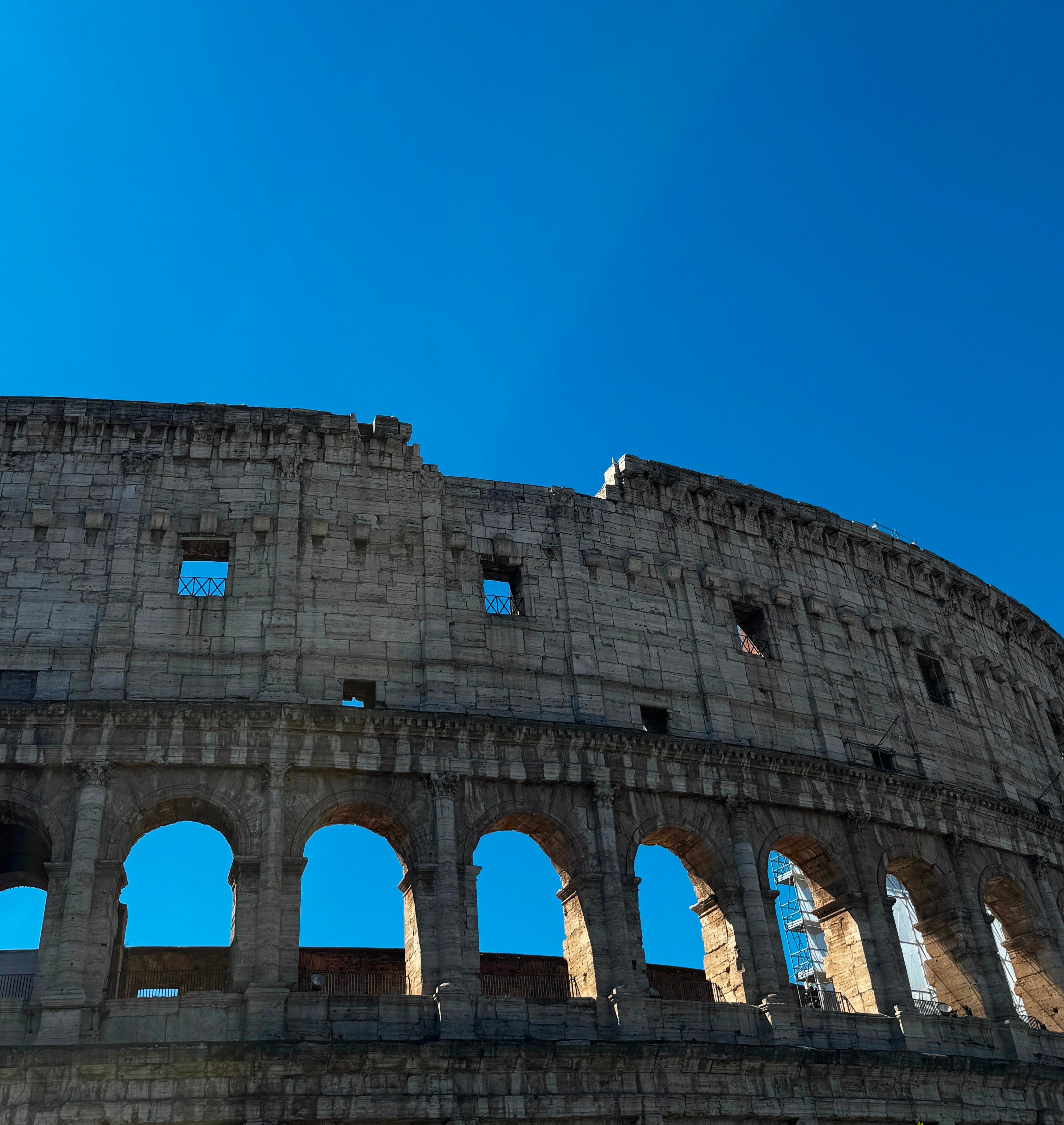
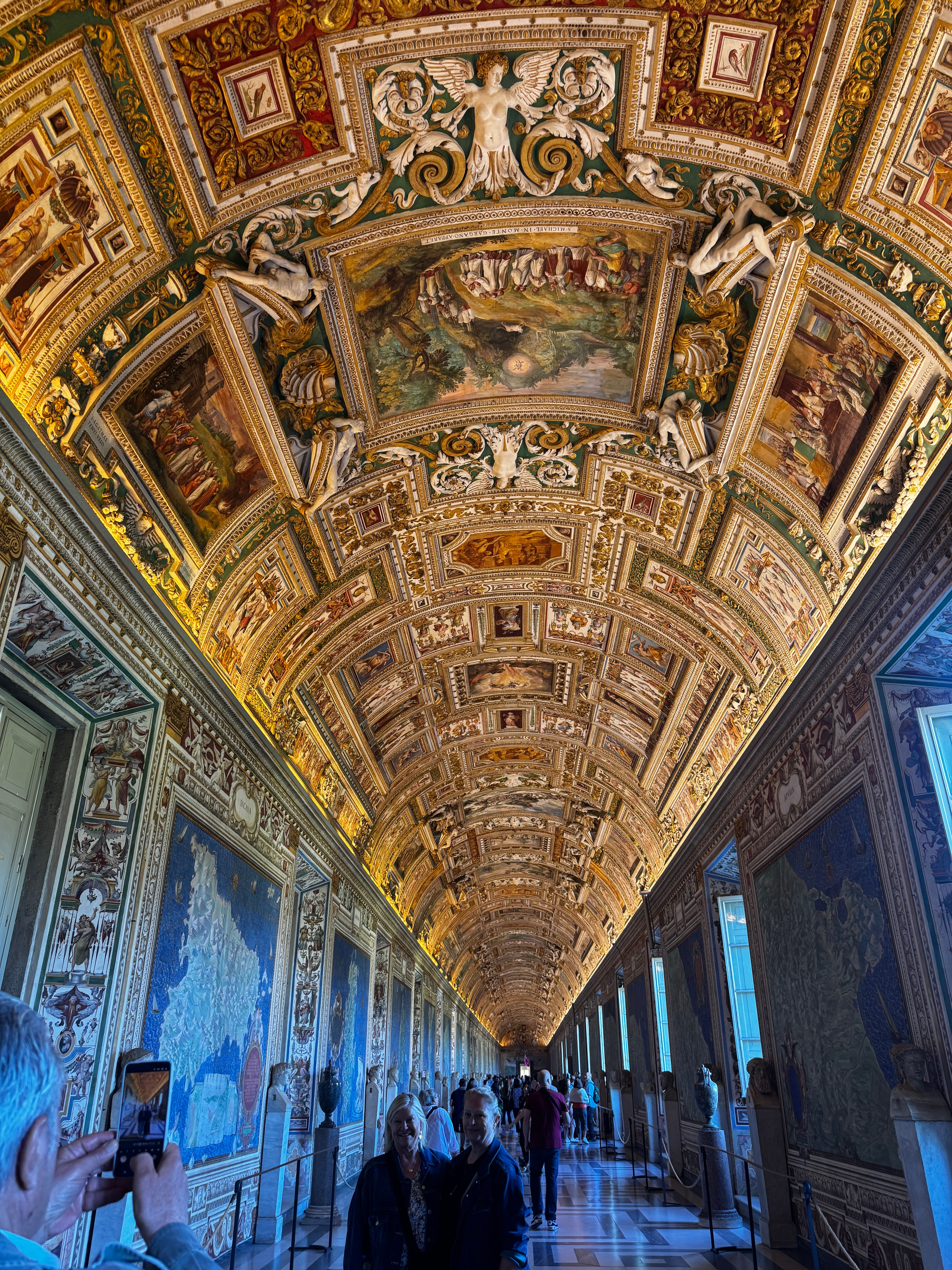
It’s also a gentle rehab for anyone prone to naval-gazing. You can’t help but feel small and pathetically human against what remains of an empire. Nearly everything feels unimportant and trivial when you see the crumbs that remain of the Roman Forum. Same for the Sistine Chapel where Michelangelo spent a decade craning his own neck and damaging his eyesight in devotion to painting.
But it was the Pantheon that surprised me the most.
Standing there in its shadow, I couldn’t wrap my head around its scale. We read that it was 2000 years old and I tried my best to imagine the Rome growing around it like a time lapse. Like one of those videos where you see an entire forest grow up and progress through the seasons. I couldn’t do it though. I couldn’t grasp that an entire civilization was built and fell in it’s wake—let alone that at some point a Zara opened half a mile away.
“I don’t think we’re really able to process how old it is,” Giana said.
The knot in my shoulder blade relaxed and I felt relieved. I kept thinking about what she said and found it comforting, and a bit spooky, that no matter how much we Googled or read about the Pantheon, it would always be beyond our reach. Maybe we didn’t have the genetic makeup to do anything but marvel at it. I wondered if I was having a slow ego death on our girls trip.
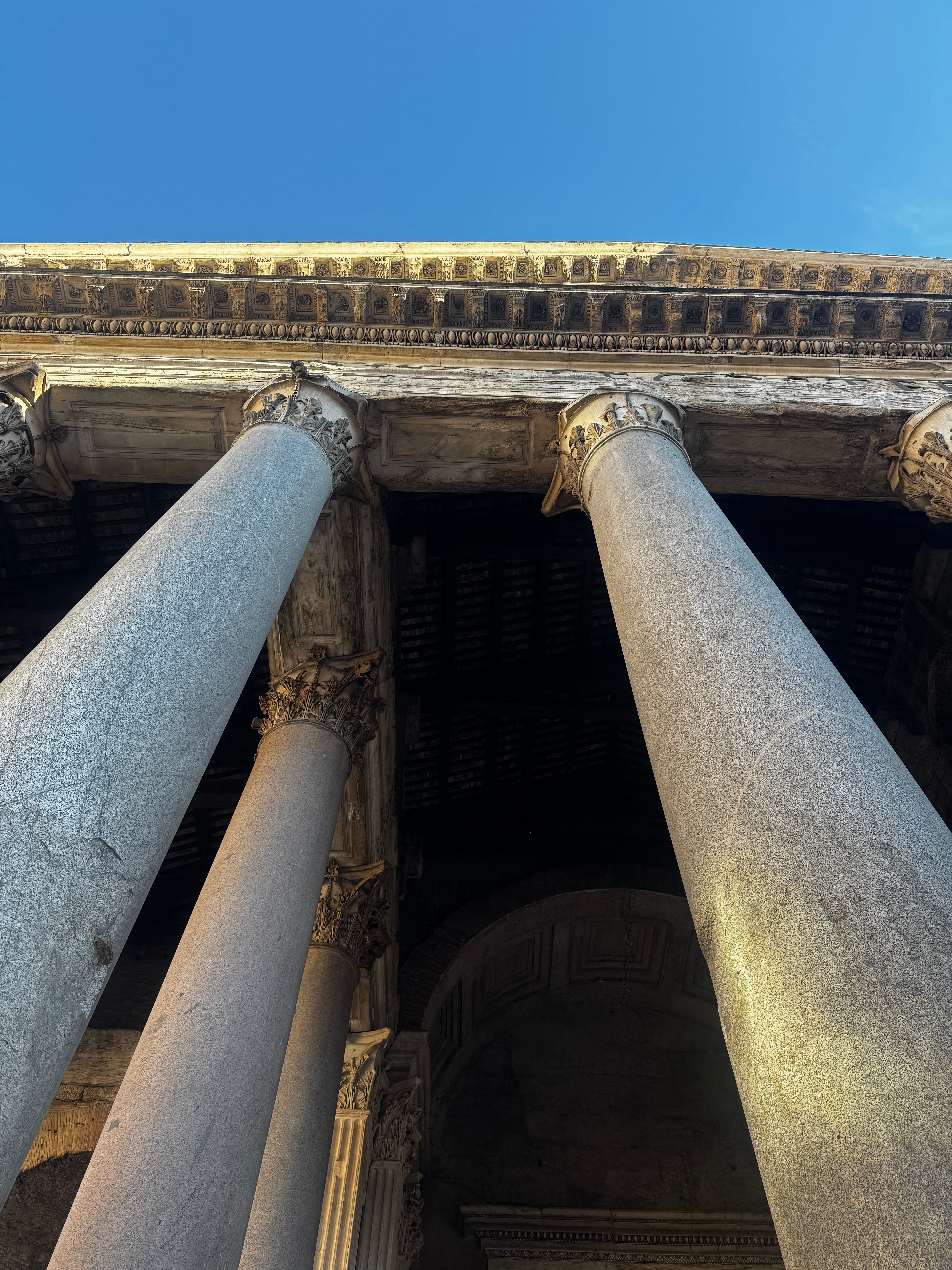
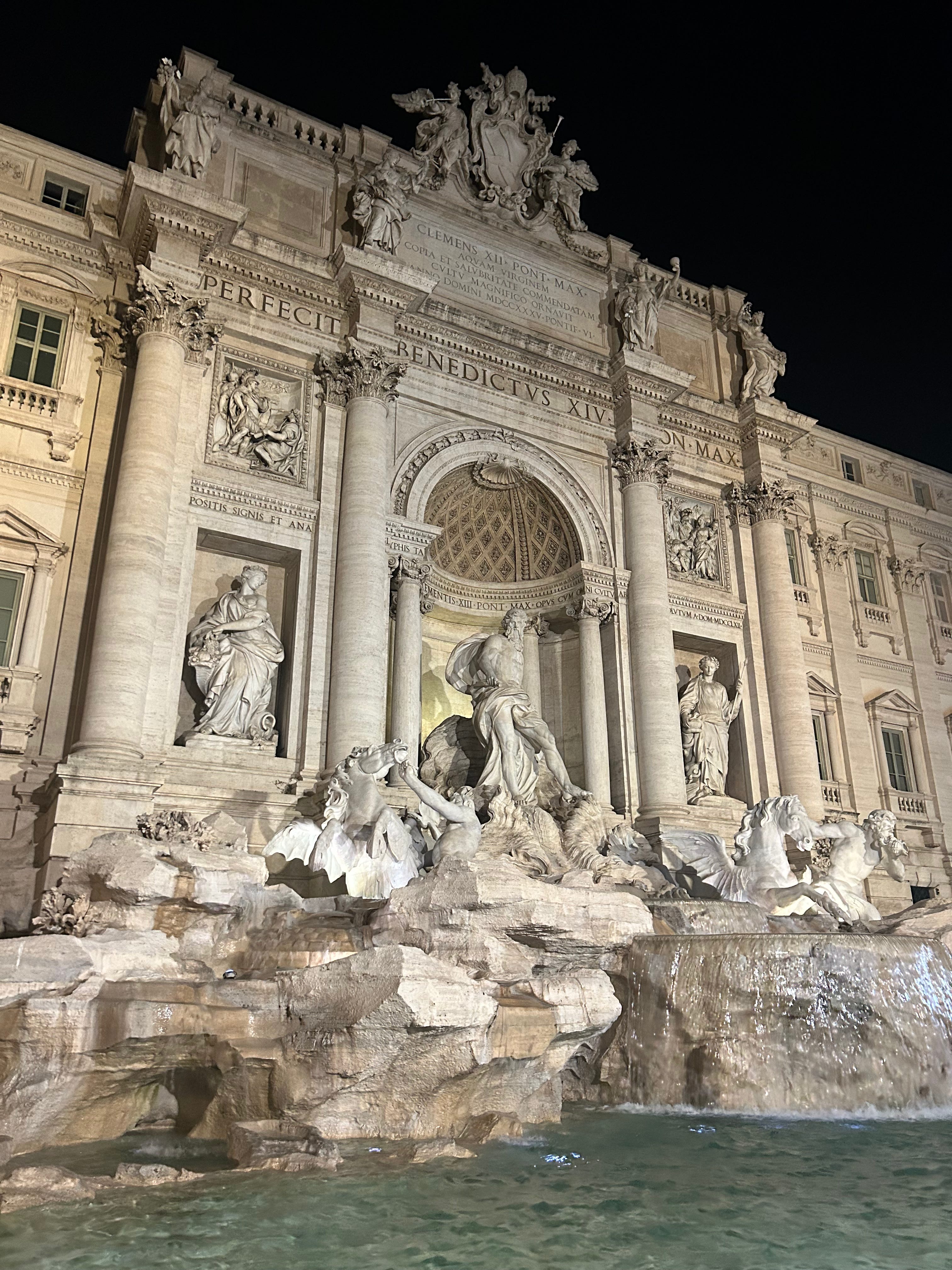
I felt something amazing happening once I stopped trying to make sense of the Pantheon. I felt this force—a reminder of how insignificant I was and how life can be so big and small at the same time. It was the same force that floated through the Sistine Chapel, that was etched onto the faces at the Trevi Fountain, and weaved through the Colosseum. And that force wasn’t anything that could be studied or recorded by a historian. I knew there was a word for it: awe. Not wonder or inspiration, but awe. Our connection to the sublime. We weren’t meant to understand it, all we could do was look up.
+++
I thought about this more: how our society is built on equating knowledge with power and progress. We are so focused on knowing and being known.
We want to see the dark side of the moon. We want to visit the depths of the sea and send cameras through a sunken ship. We ask AI to comb through every corner of the internet for us and direct us to the most complete, most optimized answers. We pay thousands of dollars to speak to someone so we can understand our inner child or where the pain manifests in our bodies. But we’re left wrecked when we are forced to live with the questions. To sit with our uncertainties. All of this leaves us bankrupt on some level. We end up plagued by a vacancy in our bodies or souls—whatever you prefer to call it.
I am no better. I watch a movie and have to read an analysis of it. Not because I was confused by the ending, but because I need to see it from someone else’s unique perspective. I am always out with a magnifying glass searching for more answers, more information, more context. And at my worst, I flip that magnifying glass on myself until it burns.
I feel like I’m proving my point by even writing this newsletter. I feel stuck in my thoughts all the time so I end up writing them down, emailing them out, trying to get people to listen. And that’s just the stuff I’m willing to tell strangers. I’m so exhausted by my private life. By constantly taking stock of what is working and what isn’t, and what that says about me. I think I’ve exhausted every person who has ever loved me.
I find myself writing about shame a lot and all the ways it manifests in my worldview. And I’ve long believed that vulnerability is the antidote to shame. But I wonder if awe is another alternative. If this process of connecting to something bigger than yourself helps steady you. I’d like to think so.
+++
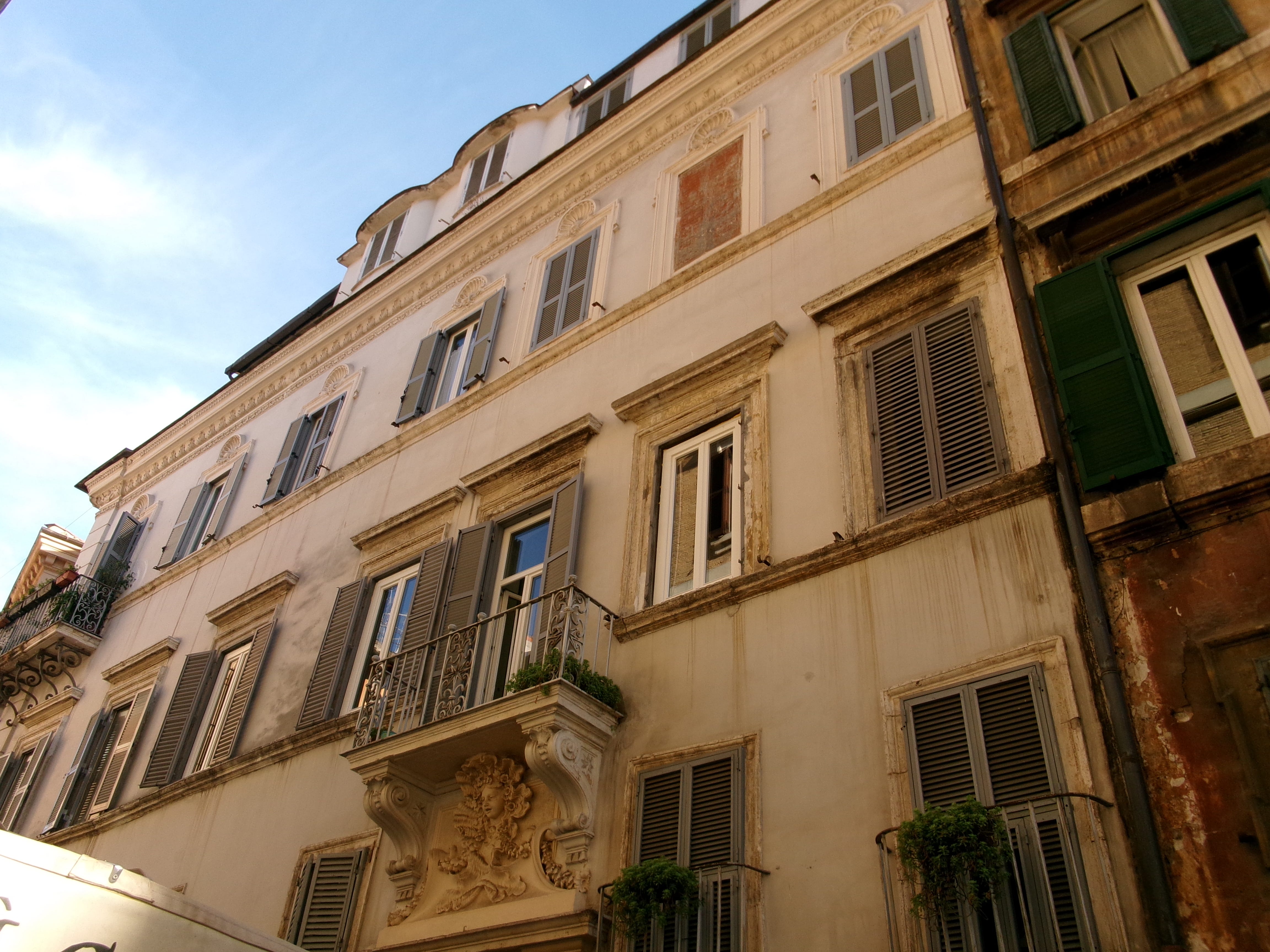
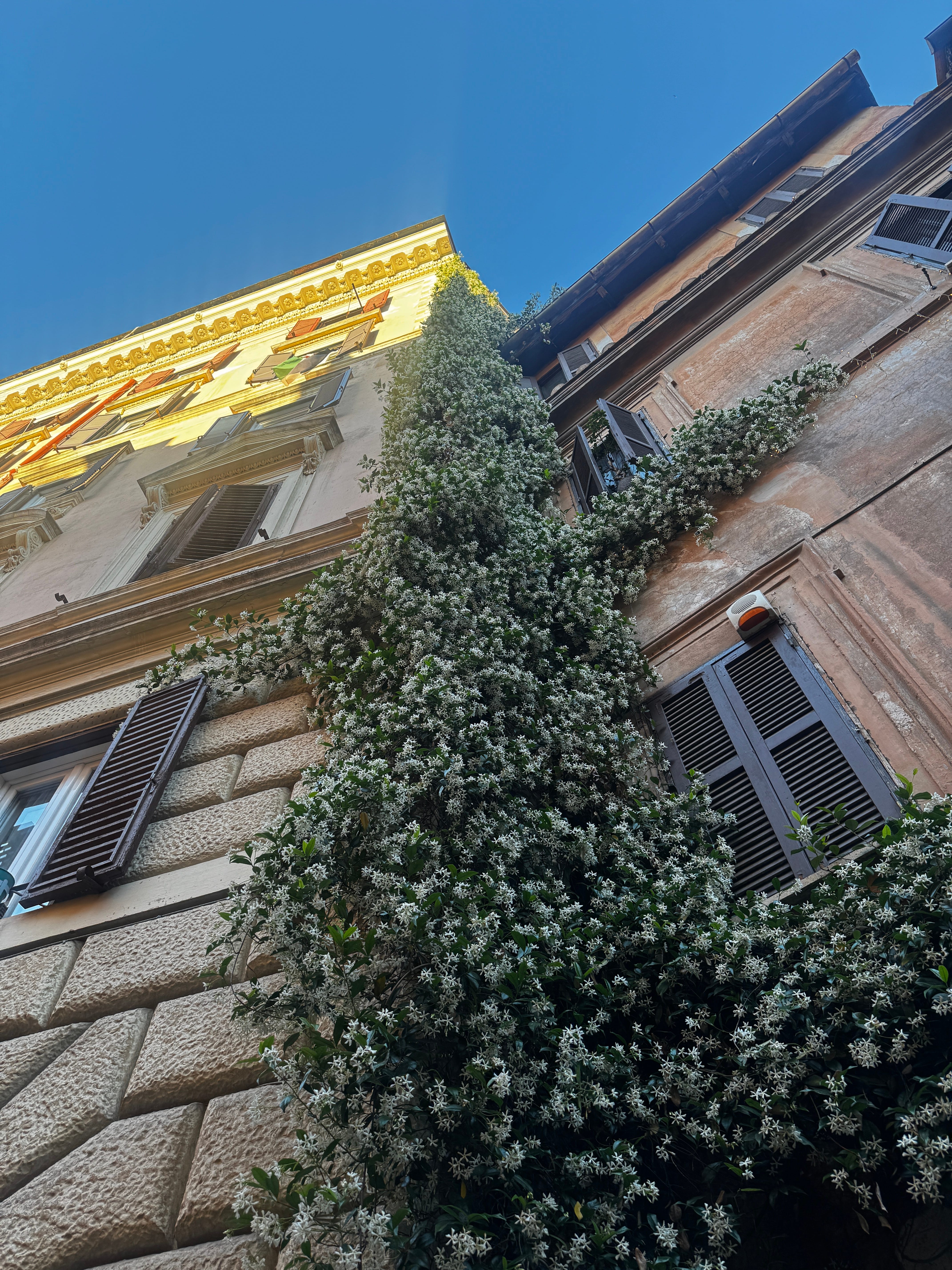
There are the obvious landmarks in Rome that call your gaze upward. But I’d forgotten how arresting even the simple everyday moments are. The light that grazes the tops of buildings—like the sky is dip-dyeing the entire city. And the jasmine—I didn’t remember there being so much jasmine—yards and yards of it leaking their scent over alleyways and crawling up entire lengths of buildings.
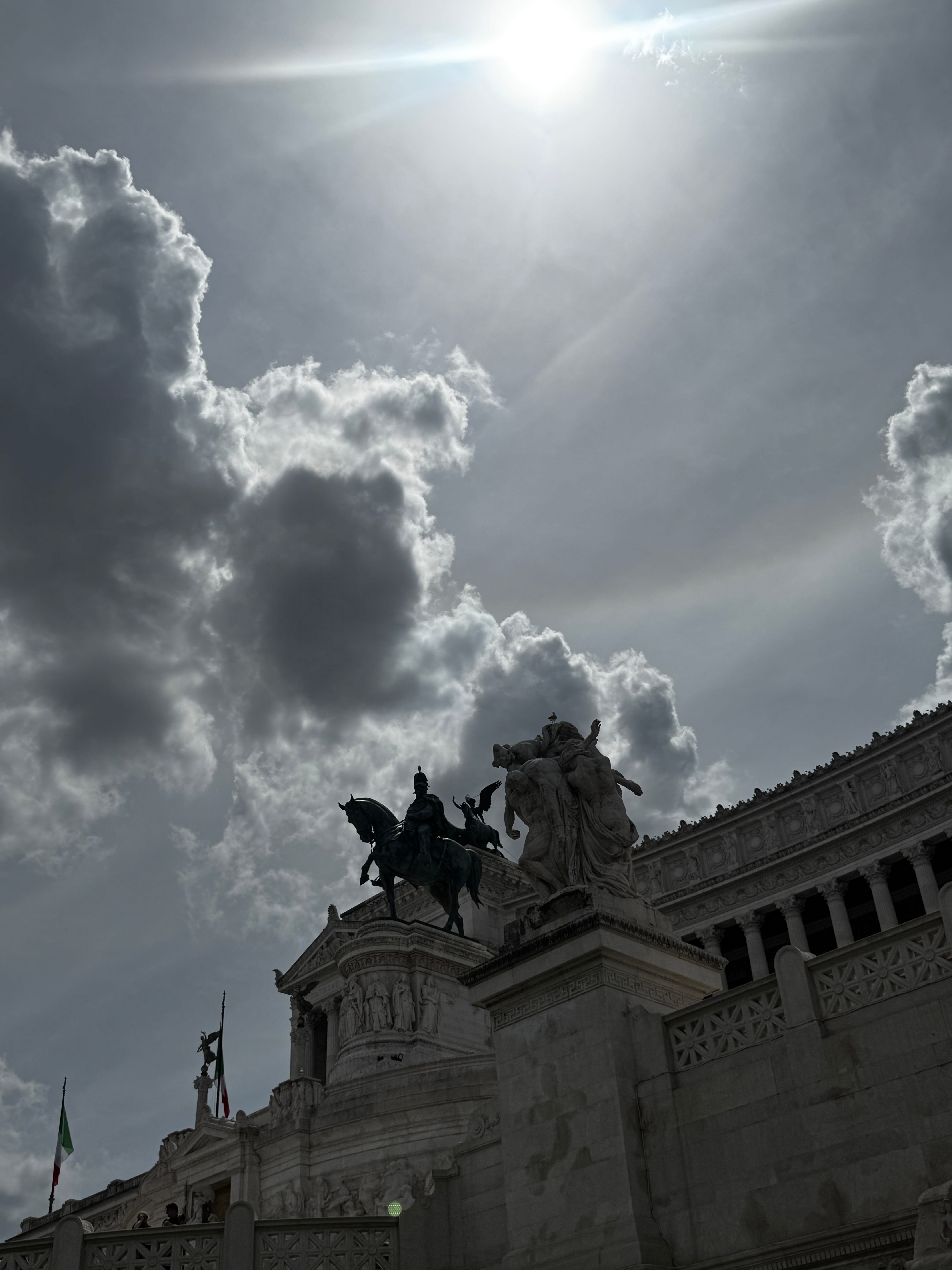
Eventually, if you follow your gaze up the trail of jasmine, you end up looking at the sun: the strongest evidence we have of how small, fleeting, and inconsequential we are. You realize all you can do is stand still, surrender, and look up in awe for as long as possible, until it’s blinding.
If you liked this essay you might like this one about praying for love (and freaking out) during a visit to a love temple in Taiwan. Or this one about confronting grief during a solo trip Ischia.
If you’ve read this far, thank you. I love you. <3